

Gum colour can change for several reasons. Natural pigmentation is most common, but some medicines and health conditions may also make gums look darker or different.
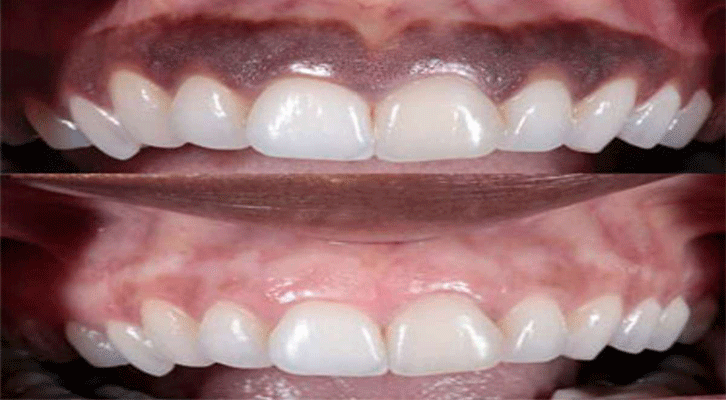
Medicines that may affect colour
Some medicines can increase pigment or cause a dark line near the gums. Examples may include certain medicines used for infections, malaria, skin problems or long-term health conditions.
Never stop prescribed medicine without speaking to the doctor who prescribed it. The dentist and doctor can work together if a medicine may be involved.
Health conditions
Hormone changes, vitamin problems and a small number of medical conditions can affect colour inside the mouth. These are less common than normal melanin, smoking or local irritation.
Information to share with your dentist
- When you first noticed the change.
- Whether it is getting larger or darker.
- Any pain, swelling, bleeding or sores.
- All medicines and supplements you take.
- Smoking or tobacco use.
- Recent dental treatment or metal fillings.
What happens during the examination?
The dentist looks at the colour, shape and surface of the area and checks the surrounding teeth and gums. Photographs may be used to compare the area later. If anything is unusual, further tests or a referral may be advised.
If the pigmentation is healthy but affects your confidence, read about cosmetic gum depigmentation. You can also book an examination before making any treatment decision.
This article gives general information and does not diagnose the cause of a colour change.