

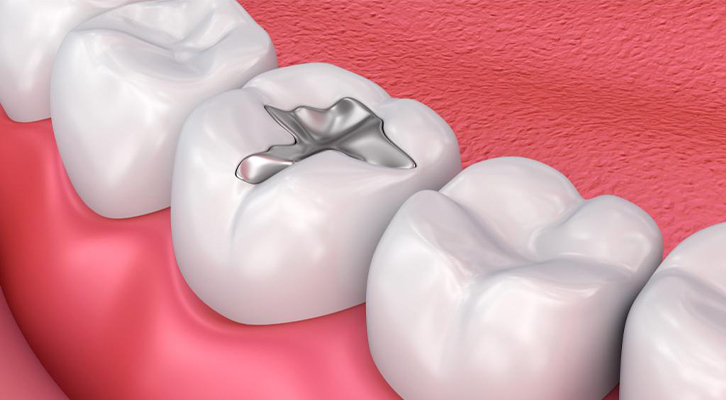
Old fillings can wear, chip or lose their seal. Replacing a problem filling early may protect the tooth from a larger break or deeper decay.
Signs to watch for
- A piece of filling has broken away.
- The tooth hurts when biting.
- Cold, hot or sweet food causes new sensitivity.
- Food repeatedly catches near the filling.
- Floss tears or gets stuck.
- The filling feels rough, sharp or loose.
- A dark line or crack appears around it.
Why old fillings fail
Years of chewing can wear the material and the tooth. Grinding, a large filling, new decay or a crack may also create a gap.
Does every old filling need replacing?
No. Age alone is not a reason to replace a sound filling. The dentist checks the edges, bite, symptoms and X-ray before recommending treatment.
What are the treatment options?
A small damaged area may be repaired. Larger damage may need a new filling, inlay or crown. If decay has reached the nerve, root canal treatment may be discussed.
Read about dental filling treatment. If a filling has broken or become painful, arrange an examination.